Colombian Coffee: History, Origin & What Makes It Special (2026)
February 13th, 2021 | by E.M.H | Posted in Coffee
Last Updated: March 2026

Colombian coffee is widely considered among the best in the world – and for good reason. Colombia’s unique climate, altitude, and volcanic soil create ideal conditions for growing premium arabica beans. In this guide we cover everything you need to know about Colombian coffee, from its origins and flavor profiles to cost and top brands.
I’ll never forget the first time I smelled some organic fresh brewed Colombian coffee in Santa Rosa. Santa Rosa is a small town in the center of the Colombian coffee axis nestled in the Andes mountains. Santa Rosa has amazing coffee!
Why is Colombian coffee so good?
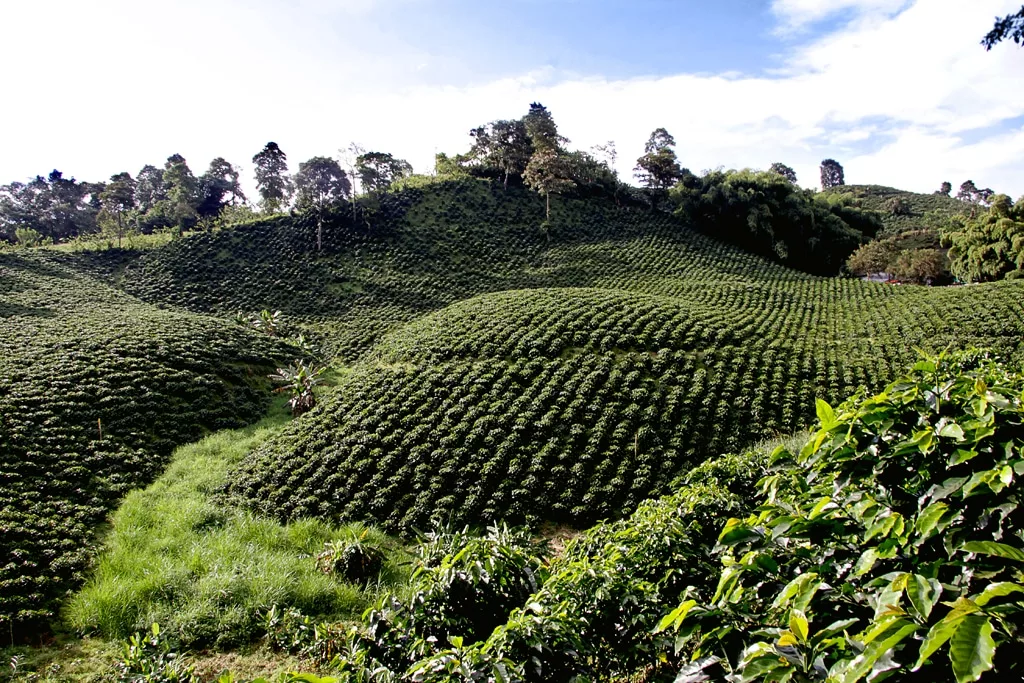
To put it simply, Colombia has a perfect climate for growing the plant. The coffee axis (also known as the coffee triangle) is a part of the Paisa region which consists of four departments (Caldas, Risaralda, Quindío and Tolima). The coffee axis provides a perfect climate due to its consistent warm temperatures, cloud cover for shade, altitude, monthly rainfall and soil. In fact, the soil gets help from an unusual culprit, volcanoes.
Over the years volcanic ash has fallen over the region causing the area to have nutrient rich soil. Some of the best coffee beans in the world come from the volcanic slopes of the Andes (central) mountain range situated throughout the coffee axis.
What is Colombian coffee?
Most Colombian coffee is arabica (coffea arabica) and requires a very specific climate and geography to grow. The plant grows best between 59 and 75 degrees Fahrenheit. It also loves humidity and likes to grow above elevations of 1900 feet.
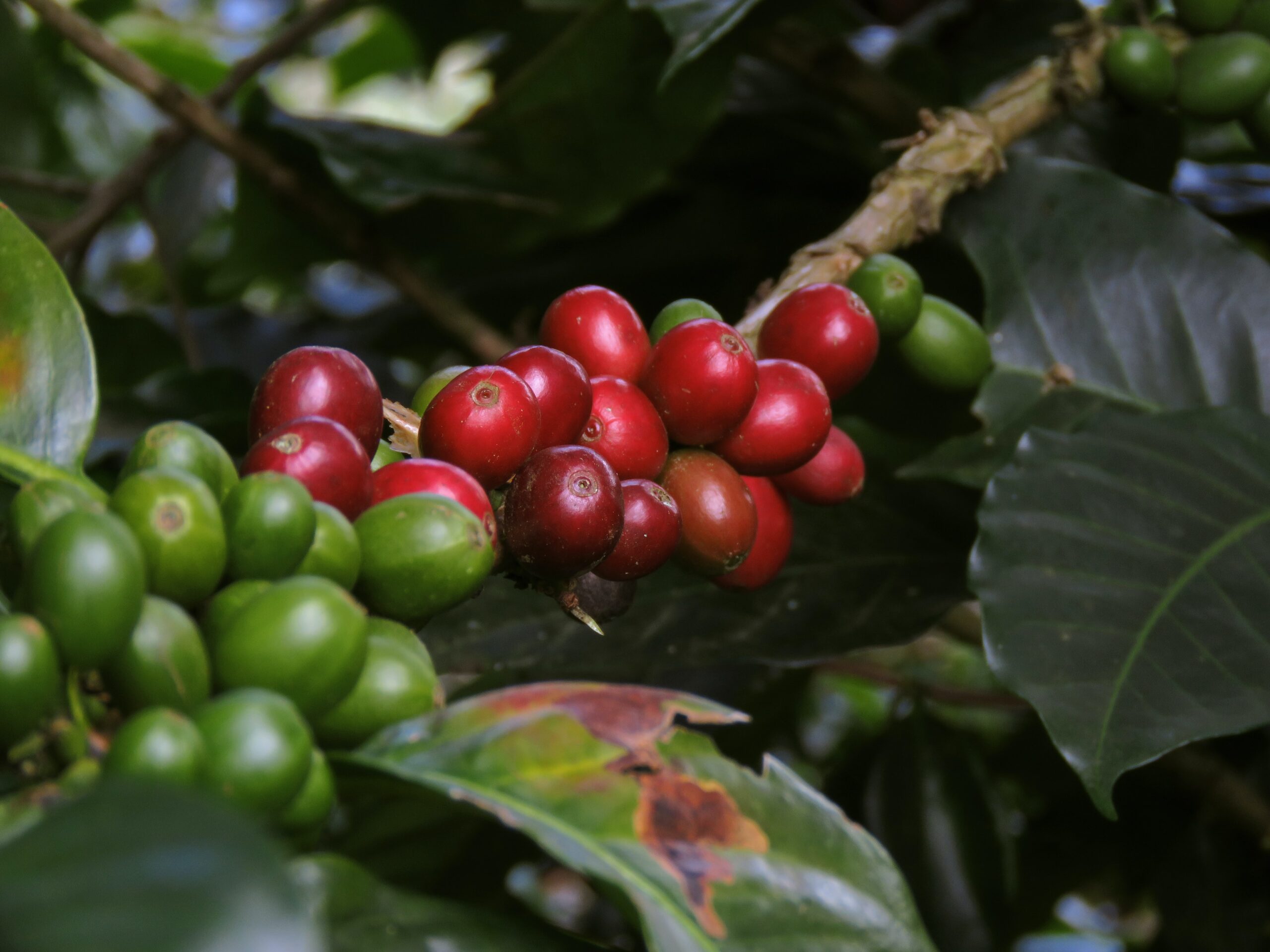
Cloud cover in the region provides a perfect shade for the plant. Some wild coffee plants in the region have been known to grow in excess of 40 feet tall. Pristine arabica coffee has a flavor profile with hints of chocolate, caramel, nuts, fruits and berries. It will also have a low acidity and very slight bitterness with a mild rich aroma. Arabica coffee is grown in many regions throughout the world but a few factors make Colombian arabica one of the best.
One factor contributing to the quality of Colombian coffee is most of it is picked by hand. This is important because the berries do not ripen at the same time (it takes a trained eye to pick the perfect harvest). The coffee bean is located inside the berry and encased in a parchment coat that needs to be removed. Colombians take great pride in their coffee and do a magnificent job when harvesting.
Some coffee varietals found in Colombia include Caturra, Tabi, Bourbon, Colombia (a cross between Caturra and the Timor hybrid), Typica and Castillo. Each variety has a story and its own flavor profile. In Colombia, the choices are endless. There are small coffee farms scattered throughout the mountains that grow their own original organic blends.
The flavor of the beans can vary dramatically depending on the origin and region.
How much does Colombian coffee cost?
If you’re in Colombia you can get a cup of coffee for 500 pesos (14 cents). Some of the more expensive drinks at upscale coffee shops can cost up to 12,000 pesos ($3.41). Typically, a good cup of coffee will cost about 3500 pesos (99 cents). You can buy a pound of beans and/or ground coffee for 5000 pesos ($1.43). Certain expensive specialty coffees can cost upwards of 40,000 pesos ($11.36) per pound.
If you’re not in Colombia prices vary depending on import cost, tax, crop yield and a few other factors. In the US you can find Colombian coffee ranging in price from $7-46 per pound. If you buy in bulk and have a reliable supplier a pound can cost $1. Needless to say, Colombian coffee is affordable.
Popular coffee brands in Colombia
There are hundreds if not thousands of coffee brands in Colombia. Here are some common big box brands that are also delicious.
Juan Valdez is considered the father of all Colombian coffee. Don Francisco has been around for over 140 years and provides a bold rich flavor. Coffee Kult works great when making espresso. If you like dark roasts Volcanica Supremo Colombian coffee is sure to fit the profile. If you like a dark roast with low acidity and hints of chocolate & fruit, Coopers Cask is a good choice. Amazon Fresh Colombian coffee offers a hint of brown sugar chocolate and is a good choice if you like a light citrus aroma. Oma coffee is also considered a local favorite. The list goes on.
Want to experience Colombian coffee at its source? Book a coffee farm tour in the Coffee Triangle on Viator — hacienda tours, tastings and farm visits available from Salento, Manizales and Pereira.
Frequently Asked Questions About Colombian Coffee
Why is Colombian coffee so good?
Colombia has a perfect climate for growing arabica coffee beans – consistent warm temperatures, high altitude, volcanic soil, cloud cover for shade, and regular rainfall. Most beans are also hand-picked, ensuring only the ripest are harvested.
What type of coffee is Colombian coffee?
Almost all Colombian coffee is arabica (Coffea arabica), known for its smooth flavor with hints of chocolate, caramel, fruit and nuts, and low acidity compared to robusta varieties.
How much does Colombian coffee cost in Colombia?
A cup of coffee in Colombia costs as little as 500 pesos (around 14 cents) at a local café. A pound of quality beans costs around 5,000 pesos ($1.43), while specialty coffees can reach 40,000 pesos ($11) per pound.
What is the best Colombian coffee brand?
Juan Valdez is the most famous Colombian coffee brand worldwide. Locally, Oma and Café Quindío are highly regarded. For specialty coffee, Volcanica Supremo and Don Francisco are excellent choices.
Conclusion
I hope you gained some understanding regarding Colombian coffee! Feel free to email us with any questions. In the future we plan on providing more content related to coffee in Colombia, stay tuned!
Planning a trip to Colombia’s coffee region? Find hotels across the Coffee Triangle on Booking.com and protect your trip with VisitorsCoverage travel insurance.
Want to learn more? Check out this article we published in March of 2023 titled “The Coffee Triangle“.
On a quest to find the best Colombian Coffee? Check out this article we published in April of 2023 titled “The Best Coffee in Colombia“.
Tags: CoffeeColombiaTourismTravel

E.M.H